The Storm on the Sea of Galilee: Rembrandt in the Boat
Executive Summary
The Wave
The boat is going over. That is the first thing the painting tells you: the bow rides up the crest of a wave that has already broken across the deck, the sail has torn loose and snaps against a black sky, and a diagonal of pale gold light — the only opening in the storm — falls precisely on the chaos. Men haul at rigging. One clings to the forestay. At the stern, in shadow, a second group crowds around a man who has, until this moment, been asleep.
This is The Storm on the Sea of Galilee, painted by Rembrandt in 1633, when he was twenty-seven and newly arrived in Amsterdam. The subject is the fourth chapter of Mark: a squall on the lake, a teacher asleep on a cushion, and the question the terrified disciples shake him awake with — “Teacher, do you not care that we are perishing?” Rembrandt paints the moment before the answer. The rebuke to the wind, the great calm, the “why are you so afraid?” — all of it is still one second away, and the painting holds you in that second.
Light on the Chaos, Shadow on the Calm
I wrote recently about chiaroscuro, the discipline of deciding what a single light will reveal. Here the young Rembrandt makes a choice that still surprises me. The light does not fall on Christ. It falls on the panic — the straining sail, the breaking water, the men fighting the sea. Christ sits in the shadowed stern, barely lit, at the calm end of the composition’s long diagonal.
Most painters of this subject did the opposite and put the halo where the hope is. Rembrandt lights the problem instead, and lets the answer wait in the dark. It is a compositional decision, but it is also a statement about attention: in a crisis, the eye goes to the noise. Finding the still point takes deliberate looking. The painting makes you perform the disciples’ own error before you notice you are doing it.
The Fourteenth Man
Count the figures and something does not add up. Twelve disciples and Christ make thirteen; the boat holds fourteen. The extra man stands amidships, one hand on a rope, the other holding his cap on his head, and he is doing the one thing nobody else in the picture does: he looks directly out at us. The face, most scholars agree, is Rembrandt’s own.
Painters of the period sometimes slipped themselves into crowd scenes; it was a signature of sorts. But there is a difference between standing at the edge of an adoration and painting yourself into a sinking boat. Rembrandt does not observe this storm from the shore. He grips the rigging with everyone else, meets our eye, and in effect asks the viewer the same question the disciples are asking: do you not care that we are perishing? It is the participant’s view of crisis, not the commentator’s — and it is the reason, I think, the picture feels reported rather than staged.
The rest of the crew is a small taxonomy of what people do when a situation turns. Some fight the storm directly, hauling canvas. One mans the rudder, which is where Rembrandt placed his signature. One prays. One shakes the teacher awake. And one — the painting’s most human detail — leans over the side, seasick, contributing nothing at all. Anyone who has sat through a genuine organizational crisis has met all fourteen of these men. I will leave that observation there; the painting does not need the consulting seminar, and it makes the point better than the seminar would.
The Empty Frame
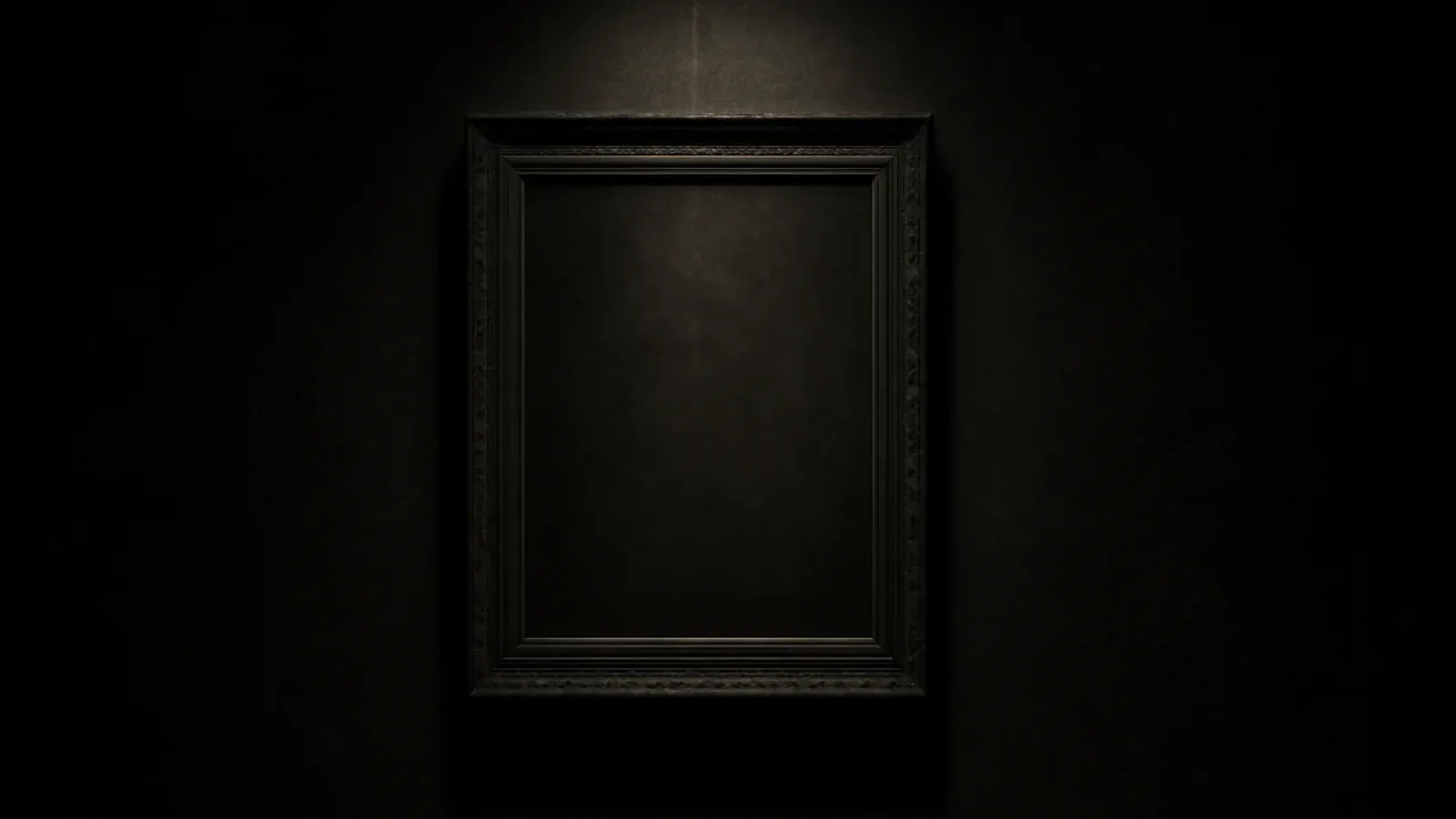
On the night of March 18, 1990, two men dressed as Boston police officers talked their way into the Isabella Stewart Gardner Museum, tied up the guards, and left with thirteen works — Vermeer’s The Concert, sketches by Degas, a Manet, and Rembrandt’s only seascape among them. It remains the largest art theft on record, none of it recovered despite a ten-million-dollar reward. Because Isabella Gardner’s will forbids altering her collection, the museum could not rehang the walls. The empty frames still hang where the paintings were.
So the storm now exists the way most of us will only ever know it anyway: in reproduction, in memory, and as a gilded rectangle of bare wall in the Dutch Room. There is something almost unbearably fitting in that. A painting about the moment before rescue, suspended for thirty-six years in the moment before recovery. The museum keeps the frame on the wall for the same reason the disciples keep shaking the sleeping figure: waiting, done publicly, is a form of faith.
An empty frame is not nothing. It is a place held.